
The period of renovation art in Vietnam marked a significant turning point. The government’s open-door policy and the socio-economic changes it brought about created an environment where artists could express themselves freely. With the elimination of subsidization and increased privatization, Vietnamese artists no longer relied on government bodies to organize individual and group exhibitions.
This newfound freedom allowed artists to explore their individual expressions through painting, leading to a revitalization and blossoming of Vietnamese art. During the 1990s, the art scene experienced an astounding growth, with the emergence of a booming market and the establishment of numerous local and international galleries. Vietnamese art began to gain its own standing and reputation in the region and the world, capturing people’s recognition.
Diverse Trends and Styles
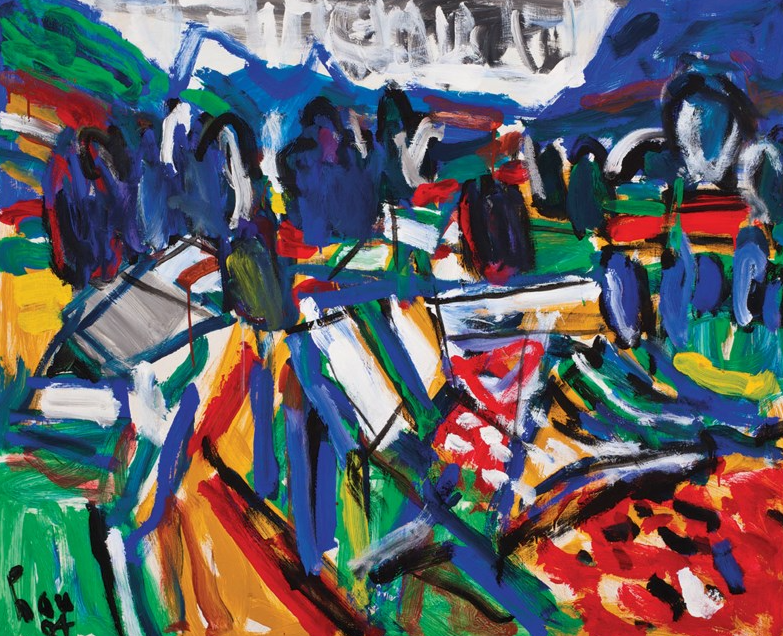
During the renovation art period, Vietnamese art encompassed various themes, embracing both the traditional and the contemporary. Artists drew inspiration from the village culture, pre-colonization heritage, and countryside traditions. This led to the development of styles reminiscent of naivety, neo-primitivism, and realistic inclinations.
Simultaneously, Vietnamese artists embraced modernization, exploring artistic trends such as abstractionism, expressionism, cubism, surrealism, and postmodern art forms. They ventured into installation art, performance art, popular art, video art, and computer graphics. These new forms of expression allowed artists to push boundaries and create three-dimensional works that captivated viewers.
Recognized Artists
The period of renovation art witnessed the emergence of outstanding Vietnamese artists who made indelible contributions to the art scene. Tran Luu Hau, Nguyen Trung, Do Quang Em, Buu Chi, Hang Dang Nhuan, Le Huy Tie, Le Anh Van, Thanh Chuong, Nguyen Quan, and Tran Trung Tin are just a few of the artists who displayed exceptional talent during this time.
The younger generation of artists in the early 1990s also made their mark, including Tran Trong Vu, Dang Xuan Hoa, Le Quang Ha, Le Thiet Cuong, Hong Viet Dung, Dao Hai Phong, Quach Dong Phuong, Le Thanh Son, Nguyen Than Binh, Do Minh Tam, Do Hang Tong, Tran Van Thao, and Nguyen Tan Cuong.
Moreover, artists such as Dinh Thi Tham Poong, Dinh Y Nhi, Nguyen Bach Dan, Mai Dac Linh, Tran Viet Phu, Nguyen Manh Hung, and Ly Tran Quynh Giang contributed to the artistic landscape in the second half of the 1990s.
A Cultural Tapestry
Vietnamese society is a dynamic mix of an agricultural country transitioning into industrialization, influenced by post-industrial Western visions of consumerism, advertising, communication, and entertainment. Vietnamese art during this period reflected the complex fabric of society, exploring themes ranging from the nostalgia of the past and traditional customs to human experiences, global issues, and social challenges.
Themes of environmental pollution, war, violence, and social evils were not uncommon, as artists used their creative voices to shed light on pressing societal concerns. Through their artworks, Vietnamese artists conveyed both introspective and broader perspectives, capturing the essence of their time and culture.
Conclusion
Vietnamese art, with its rich history and diverse expressions, has flourished since the period of renovation art. From the freedom of individual expression to the exploration of new artistic trends and styles, Vietnamese artists have left an indelible mark on the global art scene. Their ability to intertwine traditional heritage with contemporary influences creates a compelling narrative that captivates viewers worldwide.
As Vietnam continues to embrace its artistic legacy, the journey of Vietnamese art remains a testament to the resilience and creativity of its artists. Through their vivid imaginations, they bring to life stories of the past, present, and future, showcasing the vibrant cultural tapestry that defines Vietnamese art.