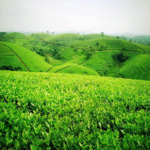

Vietnam, a country renowned for its rich tea culture, offers a delightful array of unique tea varieties. With its fertile soil, favorable climate, and centuries-old tea-growing traditions, Vietnam has become a prominent player in the global tea industry. As the 7th largest tea producer and 5th largest tea exporter in the world, Vietnam boasts a diverse range of teas that captivate tea enthusiasts worldwide.
The Northwest Region: Birthplace of Highland Tea
The Northwest region of Vietnam, with its breathtaking landscapes and majestic mountains of the Hoang Lien Son range, holds a treasure trove of tea plantations. This region, often referred to as the cradle of the world’s tea, is home to ancient indigenous tea trees that have thrived for hundreds of years, resulting in unique tea buds brimming with unmistakable flavors. High-quality tea varieties such as Ta Xua tea, Lung Phin tea, and Ha Giang tea have gained international recognition, offering a cup of tea infused with the essence of mountains and forests, encompassing bitter and astringent notes complemented by a hint of sweetness.
Thai Nguyen: Small Leaves with a Bold Bitterness
Thai Nguyen, the largest tea cultivation region in Northern Vietnam, boasts small tea leaves that gracefully curve like fishhooks, providing a distinctive characteristic to its teas. The vast green tea plantations nurtured by favorable natural conditions and fertile soil have solidified Thai Nguyen’s position as a prominent tea-growing region. Renowned for its premium shrimp-shaped tea, particularly in Tan Cuong commune, Thai Nguyen offers a fragrant and intense tea-drinking experience that has become a preferred choice for tea enthusiasts in the Northern region.
Bao Loc – Lam Dong: The Tea Capital of Vietnam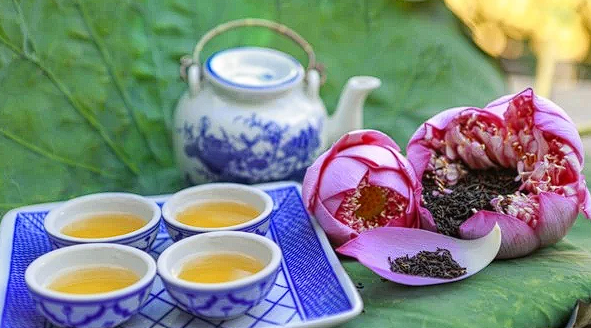
Bao Loc, located in the Lam Dong province, holds a significant place in Vietnamese tea culture. Introduced by the French during the 1930s, tea cultivation in Bao Loc has flourished over the years, making it one of the country’s key tea-producing regions. Benefiting from a mild and cool climate year-round, Bao Loc has earned the reputation as the “tea capital” of Vietnam. Its fertile basalt soil gives rise to a variety of teas, including scented tea and Oolong tea, which have garnered attention in the market for their exquisite flavors. Bao Loc’s tea industry stands alongside other renowned regional products like mountain jams, wines, strawberries, and coffee, honoring the highland region with its distinct red soil.
Hanoi: A Corner of Tea Culture
While not known for tea cultivation, Hanoi, the ancient capital of Vietnam, contributes significantly to the cultural value of Vietnamese tea. It is in Hanoi that the delicate and fragrant Tây Hồ lotus tea was born. This tea variety, cherished for its elegance and poetic essence, holds a long-standing reputation. Skilled artisans have dedicated decades to the craft of making lotus-infused tea, a complex process involving fermentation and meticulous infusion techniques. Tây Hồ lotus tea stands out for its subtle, pure, and gentle essence, setting it apart from other scented teas. With every sip, one can experience the soul and unique character that lingers long after the tea is enjoyed.
Experience the Charm of Vietnamese Teas
Vietnam’s tea-growing regions offer a fascinating journey through the diverse flavors and aromas of Vietnamese teas. From the Northwest’s enchanting mountain teas to Thai Nguyen’s bold bitterness, Bao Loc’s tea capital, and Hanoi’s cultural contributions, each region has its unique tea story to tell. Whether you’re a fan of green tea or seeking the rich complexities of Oolong tea, Vietnam’s tea regions invite you to explore and savor the finest offerings of this time-honored beverage.
Discover the wonders of Vietnamese teas and embark on a sensory adventure that captures the essence of this remarkable tea-drinking culture.